
Close Menu
AfroCaribbean Tv
  • Home
  • Live TV
  • Live Radio
  • Blog
  • General
  • Africa
    • Nigeria
    • AutoBiography
    • Lifestyle
  • Caribbean
    • Trinidad and Tobago
  • About
  • Contact
Facebook X (Twitter) Instagram
Thursday, April 2
  • Lifestyle
  • General
  • Business
Facebook X (Twitter) LinkedIn VKontakte
AfroCaribbean Tv
Banner
  • Home
  • Live TV
  • Live Radio
  • Blog
  • General
  • Africa
    • Nigeria
    • AutoBiography
    • Lifestyle
  • Caribbean
    • Trinidad and Tobago
  • About
  • Contact
AfroCaribbean Tv
Home » Blog » Angola Has a Rich Cultural Heritage Reflected In its Traditional Attires, Traditional Dress Remains Important For Ceremonies, Festivals, Dances, And Rural Life.
Africa

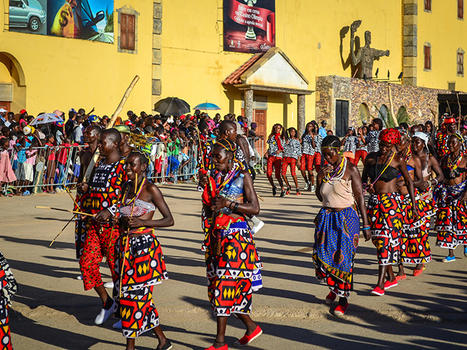
Angola Has a Rich Cultural Heritage Reflected In its Traditional Attires, Traditional Dress Remains Important For Ceremonies, Festivals, Dances, And Rural Life.

Victor KakuluBy Victor KakuluApril 25, 2025No Comments2 Mins Read
Facebook Twitter Pinterest LinkedIn Tumblr Email
Share
Facebook Twitter LinkedIn Pinterest Email

Angola has a rich cultural heritage reflected in its traditional attires, which vary by ethnic group, region, and occasion. While modern fashion is common in cities, traditional dress remains important for ceremonies, festivals, dances, and rural life.


Key Traditional Attires by Ethnic Groups

1. Ovimbundu (Largest ethnic group)

  • Women:
    • Wear colorful wrap skirts (panos) made from African wax print fabric.
    • Adorned with beads, necklaces, and headwraps.
  • Men:
    • Often wear cloth wraps or western-influenced shirts with traditional accessories.

2. Mbundu (Ambundu)

  • Clothing similar to Ovimbundu but often more influenced by colonial and urban styles.
  • Women wear “sambenhas” – brightly colored cloth wraps tied around the waist.

3. Bakongo (Kongo people)

  • Known for elaborate body painting, beadwork, and ceremonial attire.
  • Leaders and chiefs wear distinctive robes with symbolic accessories, especially during rituals.

4. Chokwe

  • Famous for their masks and ceremonial dress, especially during initiation rituals.
  • Traditional wear includes raffia skirts, feathered headdresses, and face paint.
  • Beaded jewelry and symbolic tattoos/scarification are common.

5. Himba (in southern Angola, near Namibia)

  • Women wear leather skirts, metal jewelry, and cover their bodies in otjize (a red paste made from butterfat and ochre).
  • Hairstyles are significant and indicate age and social status.

Common Materials & Accessories

  • Pano cloth (pano africano): Brightly patterned cotton fabric used for dresses, skirts, and headscarves.
  • Beads and shells: Used in jewelry, especially for women and ceremonial leaders.
  • Animal skins & raffia: Used in rural or ritual settings, especially in forested and traditional communities.
  • Headwraps and caps: Worn by both genders depending on the group.

When Traditional Attire is Worn

  • Weddings & Funerals
  • Tribal Festivals
  • Religious or Spiritual Ceremonies
  • National holidays (e.g., Independence Day)
Angola Has a Rich Cultural Heritage Reflected In its Traditional Attires Dances Festivals Traditional Dress Remains Important For Ceremonies
Share. Facebook Twitter Pinterest LinkedIn Tumblr Email
Previous ArticleAngola Has a Network Of International, Regional, And Domestic Airports, But There Are Several Other Important Airports
Next Article Angola is Governed As a Unitary Presidential Republic,Here Are The Main Forms And Branches Of Government in Angola
Victor Kakulu
  • Website

Related Posts

Lagos Network Hub Set to Launch, Pioneering Premium Networking Experience for Business Leaders

March 9, 2026

South African billionaire Patrice Motsepe joins race to build Africa’s next manganese export facility

March 8, 2026

Nigeria opens negotiation for $5.7bn Chinese investment across power and mining

February 24, 2026
Leave A Reply Cancel Reply

Our Picks

Tinubu to commission 60MW power plant, key projects in April — Diri

April 2, 2026

CBN concludes recapitalisation exercise, says 33 banks met capital requirements

April 2, 2026

Alex Iwobi Set to Release More To Life EP Featuring Teni, Fido & More I See Tracklist

April 2, 2026

Coca-Cola and its authorised bottlers, Coca Cola Beverages South Africa plans to expand production capacity.

April 2, 2026
  • Facebook
  • Twitter
  • Instagram
  • YouTube
Don't Miss
About
About

AfrocaribbeanTv is dedicated to celebrating African and Caribbean culture through media. We promote diverse values and showcase vibrant lifestyles, aiming to inspire, inform, and connect communities worldwide.

Facebook X (Twitter) Instagram YouTube
Popular Posts

Tinubu to commission 60MW power plant, key projects in April — Diri

April 2, 2026

CBN concludes recapitalisation exercise, says 33 banks met capital requirements

April 2, 2026

Alex Iwobi Set to Release More To Life EP Featuring Teni, Fido & More I See Tracklist

April 2, 2026
News Letter

Subscribe to Updates

Get the latest creative news from AfroCaribbeanTv about achievers in art, design, business, etc.

Copyright © 2025. Designed for AfrocaribbeanTv.
  • Home
  • Lifestyle
  • Leisure
  • Business
  • Buy Now

Type above and press Enter to search. Press Esc to cancel.