
Close Menu
AfroCaribbean Tv
  • Home
  • Live TV
  • Live Radio
  • Blog
  • General
  • Africa
    • Nigeria
    • AutoBiography
    • Lifestyle
  • Caribbean
    • Trinidad and Tobago
  • About
  • Contact
Facebook X (Twitter) Instagram
Thursday, March 5
  • Lifestyle
  • General
  • Business
Facebook X (Twitter) LinkedIn VKontakte
AfroCaribbean Tv
Banner
  • Home
  • Live TV
  • Live Radio
  • Blog
  • General
  • Africa
    • Nigeria
    • AutoBiography
    • Lifestyle
  • Caribbean
    • Trinidad and Tobago
  • About
  • Contact
AfroCaribbean Tv
Home » Blog » History of the Netherlands Antilles
Caribbean

History of the Netherlands Antilles

Victor KakuluBy Victor KakuluJune 2, 2025No Comments2 Mins Read
Facebook Twitter Pinterest LinkedIn Tumblr Email
Share
Facebook Twitter LinkedIn Pinterest Email

Here’s a concise history of the Netherlands Antilles, covering its colonial roots, development, and eventual dissolution:


History of the Netherlands Antilles

Early Colonial Era (1600s–1800s)

  • 1634: The Dutch West India Company captured Curaçao from Spain, marking the start of Dutch control in the Caribbean.
  • Over the next few decades, the Dutch gained control of Bonaire, Aruba, Sint Maarten, Saba, and Sint Eustatius.
  • These islands became important for:
    • Slave trade (especially Curaçao)
    • Salt production
    • Shipping and trade

Dutch Colonial Administration

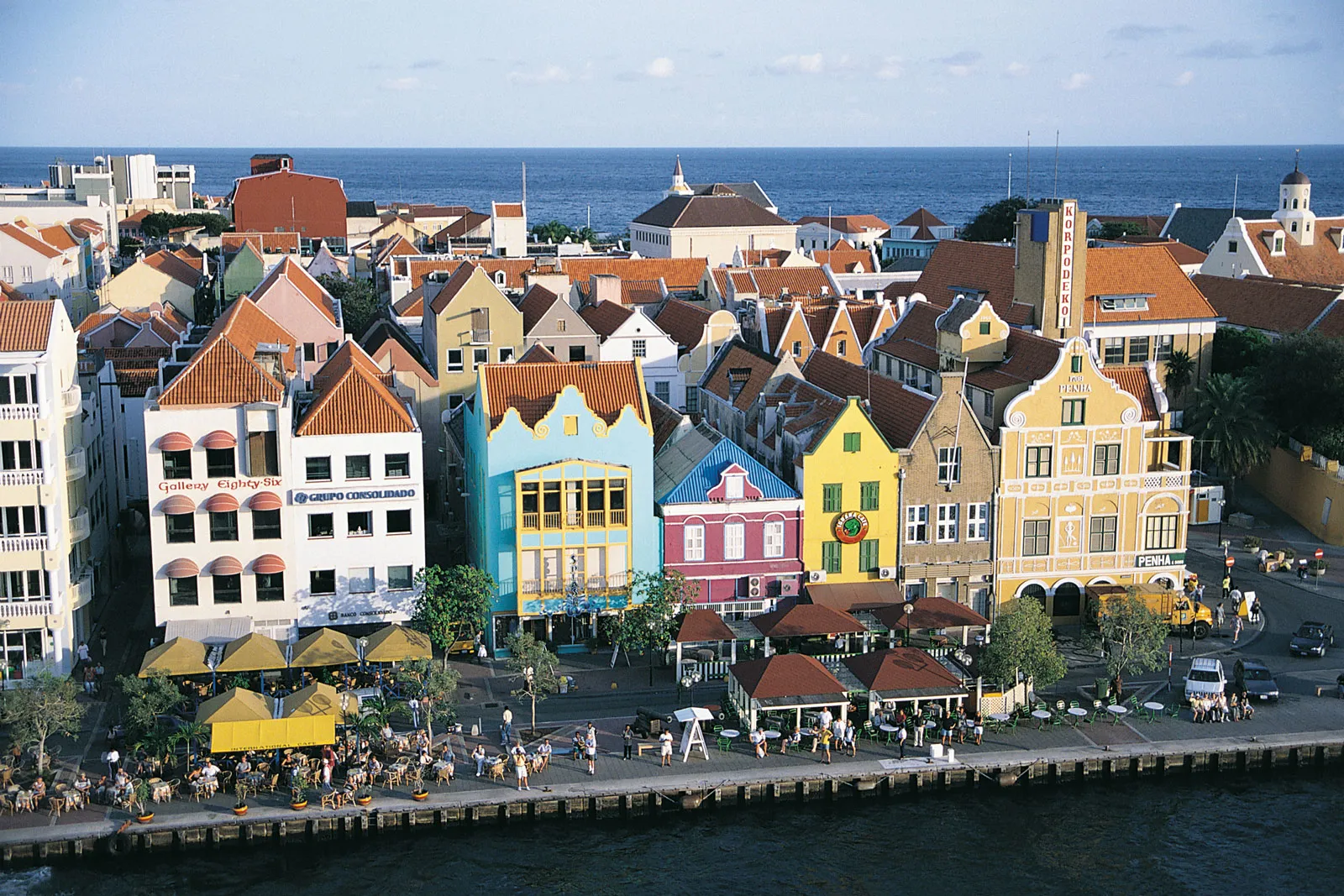
  • For centuries, the islands were colonies under Dutch control, governed by the Netherlands Antilles government in Willemstad (on Curaçao).
  • The islands were administered together despite their geographical separation and cultural differences.

World War II and Autonomy Movements

  • 1940s–1950s: After WWII, decolonization pressures rose.
  • 1954: The Charter for the Kingdom of the Netherlands was established, giving the Netherlands Antilles and Suriname full internal autonomy as constituent countries within the Kingdom.

Aruba’s Departure (1986)

  • Aruba, seeking more autonomy, separated from the Netherlands Antilles in 1986, becoming its own autonomous country within the Kingdom of the Netherlands.

Push for Restructuring

  • Over time, the five remaining islands grew frustrated with centralized governance from Curaçao.
  • Each island had distinct languages, cultures, and economic conditions, and felt the unified structure didn’t serve them well.
  • Multiple referendums were held between 2000 and 2005, with different islands choosing different futures.

Dissolution of the Netherlands Antilles (2010)

  • On October 10, 2010, the Netherlands Antilles ceased to exist.

New statuses:

  • Curaçao and Sint Maarten: Became autonomous countries within the Kingdom.
  • Bonaire, Saba, and Sint Eustatius: Became special municipalities (public bodies) of the Netherlands, with local governance under Dutch law.

Legacy and Modern Relevance

  • The dissolution allowed each island to govern itself more effectively.
  • They remain united by Dutch citizenship, defense, and foreign policy (handled by the Kingdom).
  • Today, these islands are often referred to as:
    • Dutch Caribbean
    • Caribbean Netherlands (for Bonaire, Saba, and Statia)

History of the Netherlands Antilles
Share. Facebook Twitter Pinterest LinkedIn Tumblr Email
Previous ArticleThe Netherlands Antilles,Overview
Next Article Cultural Highlights of the Netherlands Antilles
Victor Kakulu
  • Website

Related Posts

Jesse Jackson, Charismatic Champion of Civil Rights, Dies at 84

February 17, 2026

FELA KUTI

February 3, 2026

British-Nigerian actress Wunmi Mosaku earns Oscar nomination for ‘Sinners

January 26, 2026
Leave A Reply Cancel Reply

Our Picks

Ibadan airport: Direct international flights before end of 2026

March 4, 2026

FG, African corporation seal $1.3bn refinery deal, others

March 2, 2026

Super Eagles: RB Leipzig forward open to representing Nigeria

March 1, 2026

Tourist influx drive billions of naira in Lagos Detty December

March 1, 2026
  • Facebook
  • Twitter
  • Instagram
  • YouTube
Don't Miss
About
About

AfrocaribbeanTv is dedicated to celebrating African and Caribbean culture through media. We promote diverse values and showcase vibrant lifestyles, aiming to inspire, inform, and connect communities worldwide.

Facebook X (Twitter) Instagram YouTube
Popular Posts

Ibadan airport: Direct international flights before end of 2026

March 4, 2026

FG, African corporation seal $1.3bn refinery deal, others

March 2, 2026

Super Eagles: RB Leipzig forward open to representing Nigeria

March 1, 2026
News Letter

Subscribe to Updates

Get the latest creative news from AfroCaribbeanTv about achievers in art, design, business, etc.

Copyright © 2025. Designed for AfrocaribbeanTv.
  • Home
  • Lifestyle
  • Leisure
  • Business
  • Buy Now

Type above and press Enter to search. Press Esc to cancel.