








The Caribbean’s vibrant tapestry of culture, politics, and economics bears the indelible imprint of visionary men and women whose roots trace back to Africa. Their stories are not just footnotes in history; they are the very engines that powered entire nations forward. Below are five extraordinary figures whose contributions continue to echo across islands and generations.

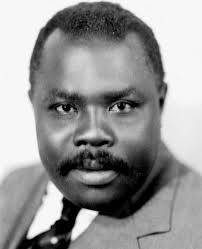
1. Marcus Garvey (Jamaica)
Born in St. Ann’s Bay in 1887, Garvey turned the pain of colonial oppression into a global movement for Black pride and economic self‑reliance. In 1914 he founded the Universal Negro Improvement Association (UNIA) in Kingston, sparking a pan‑Caribbean awakening that spread to Harlem, Panama, Costa Rica and beyond. Through the UNIA he launched the Black Star Line, a Black‑owned shipping venture meant to forge trade routes between the Americas, the Caribbean and Africa, and he built a network of businesses—restaurants, grocery stores, a printing press—aimed at keeping wealth within the Black community. Garvey’s “Africa for the Africans” mantra galvanised millions, laid the groundwork for Rastafarianism, and inspired later Caribbean leaders to champion self‑determination and cultural confidence.

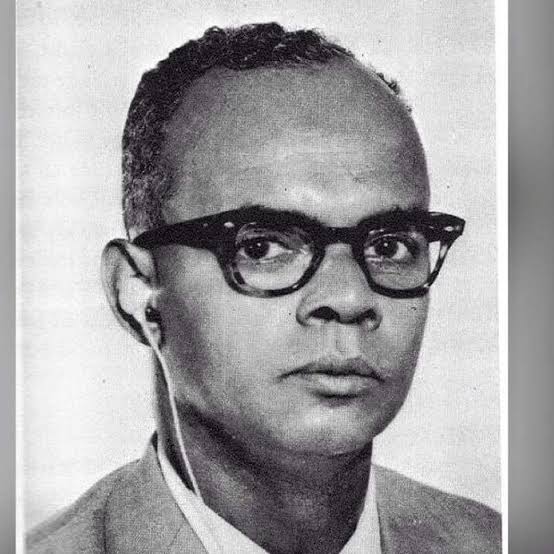
2. Dr. Eric Williams (Trinidad & Tobago)
A historian‑turned‑politician, Williams authored Capitalism and Slavery (1944), a seminal work that re‑examined the economic foundations of the Atlantic slave trade and its lasting impact on the Caribbean. As the first Prime Minister of Trinidad and Tobago (1962‑1981), he steered the nation through decolonisation, instituting land reform, diversifying the economy beyond sugar, and establishing the University of the West Indies. His blend of scholarship and statesmanship helped forge a national identity that celebrated its African heritage while forging new economic pathways.


3. Sir Arthur Lewis (Saint Lucia)
A Nobel laureate in economics (1979), Lewis’s pioneering theory of “economic development with unlimited supplies of labour” reshaped how Caribbean economies approached industrialisation. His insights guided post‑war development plans across the region, encouraging the shift from plantation agriculture to manufacturing and tourism. Lewis’s counsel influenced policymakers in Jamaica, Barbados, and beyond, helping to lay the foundations for modern economic structures that still underpin many Caribbean states.

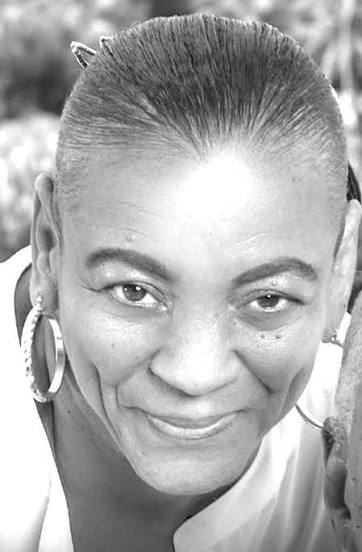
4. Nona Balfour (Bahamas)
A pioneering Sir Arthur Lewis (Saint Luciaeducator and cultural activist, Balfour dedicated her life to expanding access to quality education in the Bahamas during the mid‑20th century. She founded the first secondary school for girls in Nassau and later championed adult literacy programmes that empowered thousands, especially women of African descent, to participate fully in civic life. Her advocacy for cultural preservation helped embed African drumming, dance, and oral traditions into the national curriculum, reinforcing identity and pride.

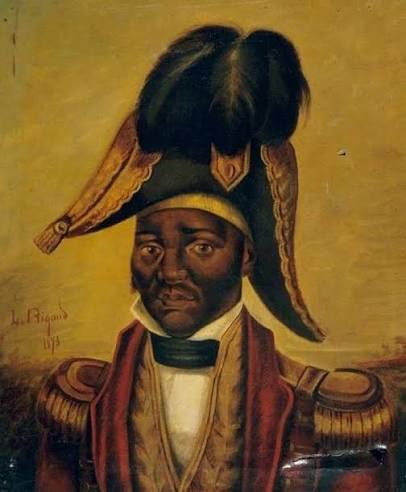
5. Jean‑Jacques Dessalines (Haiti)
Although born in West Africa and enslaved in Saint‑Domingue (now Haiti), Dessalines became the architect of Haiti’s independence in 1804—the first Black republic in the Western Hemisphere. After leading the successful slave revolt, he proclaimed the nation’s sovereignty, drafted its first constitution, and initiated land redistribution to former enslaved people. Dessalines’s bold vision of a self‑governed Black nation set a powerful precedent for Caribbean anti‑colonial movements and continues to inspire calls for reparative justice and economic autonomy across the region.
These five luminaries—Garvey’s relentless advocacy, Williams’s scholarly leadership, Lewis’s economic insight, Balfour’s educational legacy, and Dessalines’s revolutionary spirit—illustrate how African‑descended visionaries have been the backbone of Caribbean progress. Their legacies remind us that the strength of the Caribbean lies not only in its sun‑kissed shores but in the resilience, intellect, and determination of its people.


